10 Things to Consider
By Cynthia Cummings-Walker
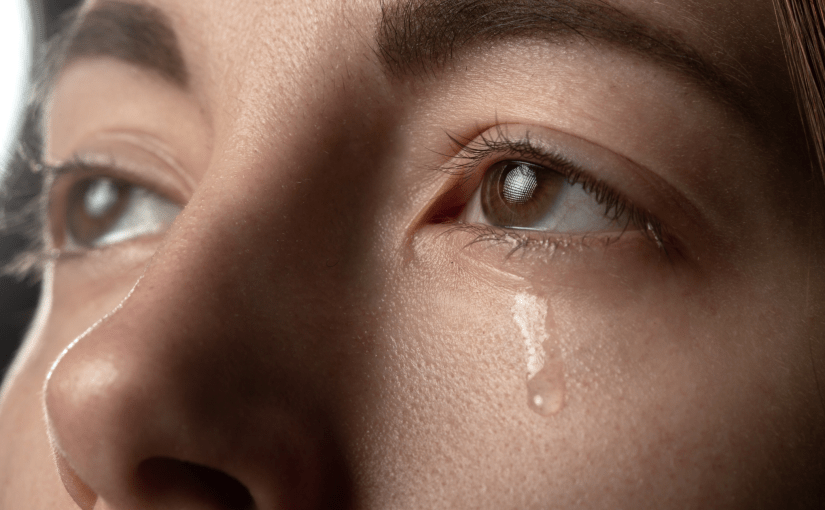
Mother’s Day is supposed to be a day of celebration, then why so much pain for some? Perhaps someone’s mother has passed away and the loss is still too great. Others suffer because they are the mother of a child who has passed away and the thought of celebrating motherhood would be impossible.
Either way, it is a loss that is intensified by a day to honor and celebrate mothers. A loving mother is certainly irreplaceable. They should be celebrated for all of the sacrifices, encouragement and care they gave their child. Most mothers are cherished in life and deeply mourned in death.
“Not a Mother” Hurts on Mother’s Day Too
Amidst all of the much-deserved honoring of a mother, past or present, there is another category of women who are hurting on Mother’s Day. They are the ones who had a miscarriage, a baby stillborn; or are unable to birth a child even though they have tried everything possible to be a mother. They hurt too.
Someone asked me once if she was still a mother because her only child had passed away. My answer was emphatically yes! A woman cannot “unbirth” her child. If a brother or sister passes away, they will always remain your sibling. When parents pass away, they will always be your parent.
Grieving Should Be a Judgement Free Zone
When you are an adult child of a mother who passed away, some people may say that your mom lived a long life, and you should be thankful you had her for so long. When a mother is deeply loved, no matter how long she lived, the time seems far too short.
When a young mother passes away there may be many questions and few answers. The devastation left behind is enormous for the loved ones of that mother. The circumstances around a person’s death impacts the grief and can cause all kinds of emotions that may be detrimental to the process of moving forward in life. We can move pass it, not get over it.
Even when there is a role reversal wherein a mother needs to be cared for the way she took care of her child, the heartache and grief at the mother’s death is not diminished. It is not a relief. It is a heart wrenching loss.
No matter what the circumstance, all who grieve on Mother’s Day deserve the same acknowledgement of their loss. Sometimes people are quick to judge who deserves what, and under what circumstance. The intent here is to acknowledge everyone’s pain when Mother’s Day causes them to hurt. This includes both male and female mourners, young and the aged.
In my family we celebrate Mother’s Day by going out to dinner. One Mother’s Day catered food was brought in so we could celebrate at our home. After all of these years holidays are still bittersweet because our beloved Rachel is not here with us. If I need to shed a tear, I do. If something is funny to me, I laugh.
Emotions are complex so I don’t apologize for missing my daughter or have to pretend to be happy so everyone else can feel comfortable. My loved ones understand. They hurt too.
When Other Celebrations Hurt
If I am feeling extremely depressed around some special event, I probably will not attend. If it is really important that I go, I stay for a short period of time, then leave.
One year I was invited to a friend’s daughter’s high school graduation. It was just months after Rachel died, during her last year of high school. I really didn’t want to attend because it would intensify my loss. Because of the close relationship with my friend, I knew I should go to the celebration. I went and stayed a short period of time, then left. Sometimes when someone has been so close and supportive for years, a personal sacrifice on a day of celebration is necessary.
My friend understood why I couldn’t stay long. My presence was important because she was the best friend a person could want, and her family had been like family to mine. I prayed and asked the Lord for strength to be engaging with those in attendance without showing any sign of my pain. He answered that prayer. I was even able to enjoy seeing some people I hadn’t seen in a while.
This is why it is so important to have open communication with the people close to you, so they understand why you are hurting. My blog on the “Do’s and Don’ts, When a Child Dies” can be helpful to them. Everyone will not be amenable to the needs of those who suffer. That’s okay too. Find your “safe” people and safe places where you can be you, and do the best to enjoy what you can.
For those who may not be aware of what hurts, and what helps on Mother’s Day, here are 10 actions that can possibly alleviate some of the pain associated with the celebration of mothers.
What You Can Do for Those Who Hurt on Mother’s Day
- Acknowledge a person’s loss, letting them know you haven’t forgotten their loved one.
- Be a silent listener to someone who wants to talk about their loss.
- Offer to get together for a meal, walk in the park, put flowers on a grave site, or any other helpful activity.
- Demonstrate a lot of love without judging, criticizing, or condemning the way someone grieves.
- Pray and ask God for wisdom in how to comfort those who are grieving because Mother’s Day hurts.
What You Can Do When Mother’s Day Is Hurtful for You
- Be kind to yourself. Don’t feel guilty or feel you have to be strong for others.
- Write a letter to your loved one, expressing your feelings about the loss.
- Look at photographs of happier times and try to laugh a little.
- Think about what your mother or child would want you to do in their absence, and do it.
- Ignore the holiday or create new traditions, doing whatever brings you a semblance of peace or joy.
Grief is real and is expressed differently depending on who you are and what you have experienced. There are no pat answers about what to do. You can try different ways to help you find solace during holidays or celebrations. If something is not working, try something else.
When the loved one’s passing is recent, doing these things can be much more difficult. As times passes, moving forward in life gets somewhat easier although you will never just get over the death.
My mother has passed away and so has my daughter. I try to do the best I can with what remains. There is a reason why I am still here. I try to live with purpose. Trying to help others who are suffering has bought me a renewed sense of purpose and direction. I believe this honors my precious Rachel Rebekah. That is my prayer for you as well.

 A Word to the Wise